01
Base Metals
Copper, chrome, aluminium, zinc and lead products structured by grade, form and inspection evidence.

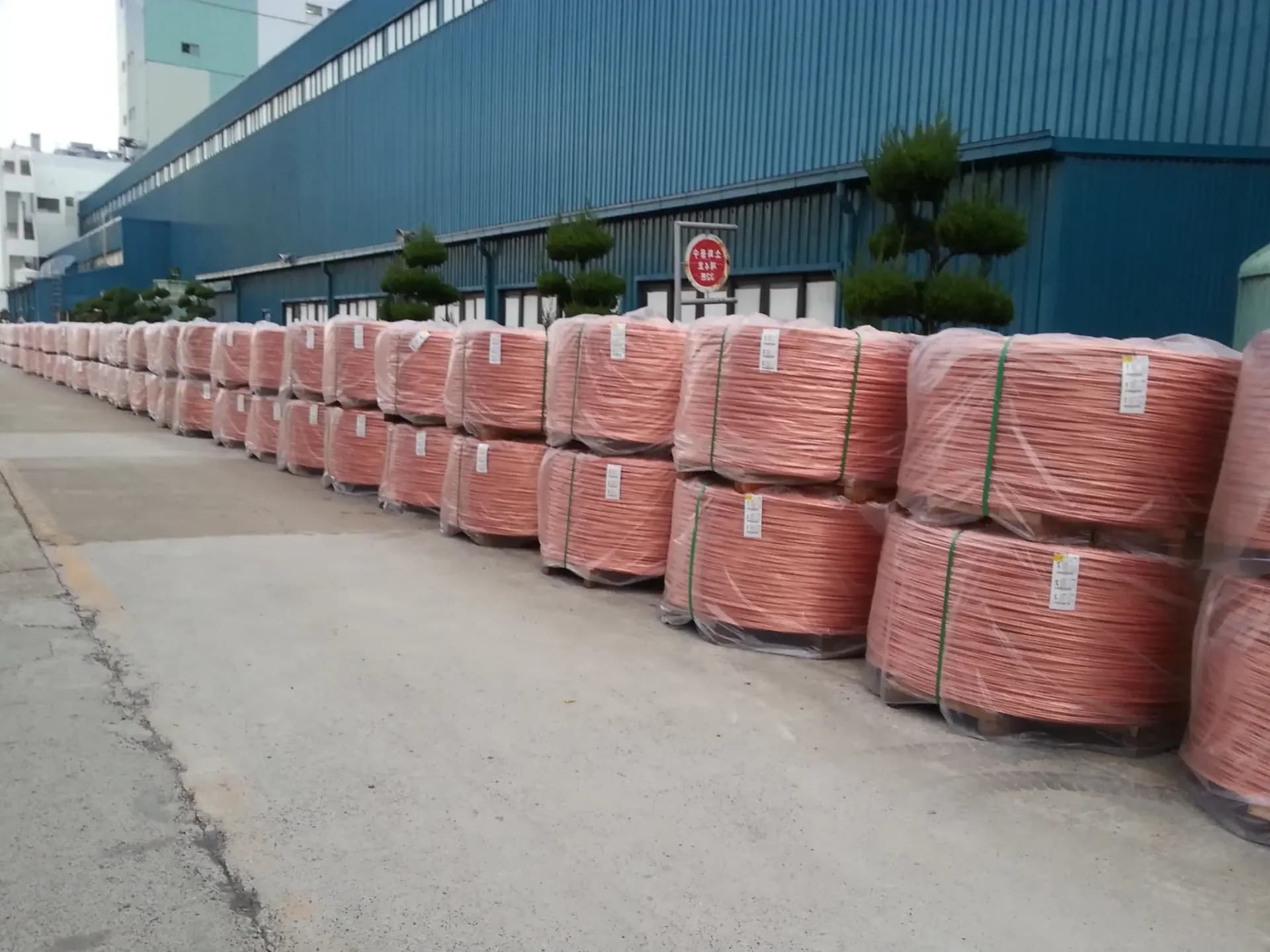
A structured B2B catalogue for buyers who need material clarity, documented references and a controlled path from technical review to international quotation.
HAN METALS connects product definition, reference standards, supplier evidence and commercial requirements in one controlled procurement workflow.
Company approachNavigate by material family, then review product-level grade, standard, inspection and documentation references.
Copper, chrome, aluminium, zinc and lead products structured by grade, form and inspection evidence.
 Gold Ingots · CC002
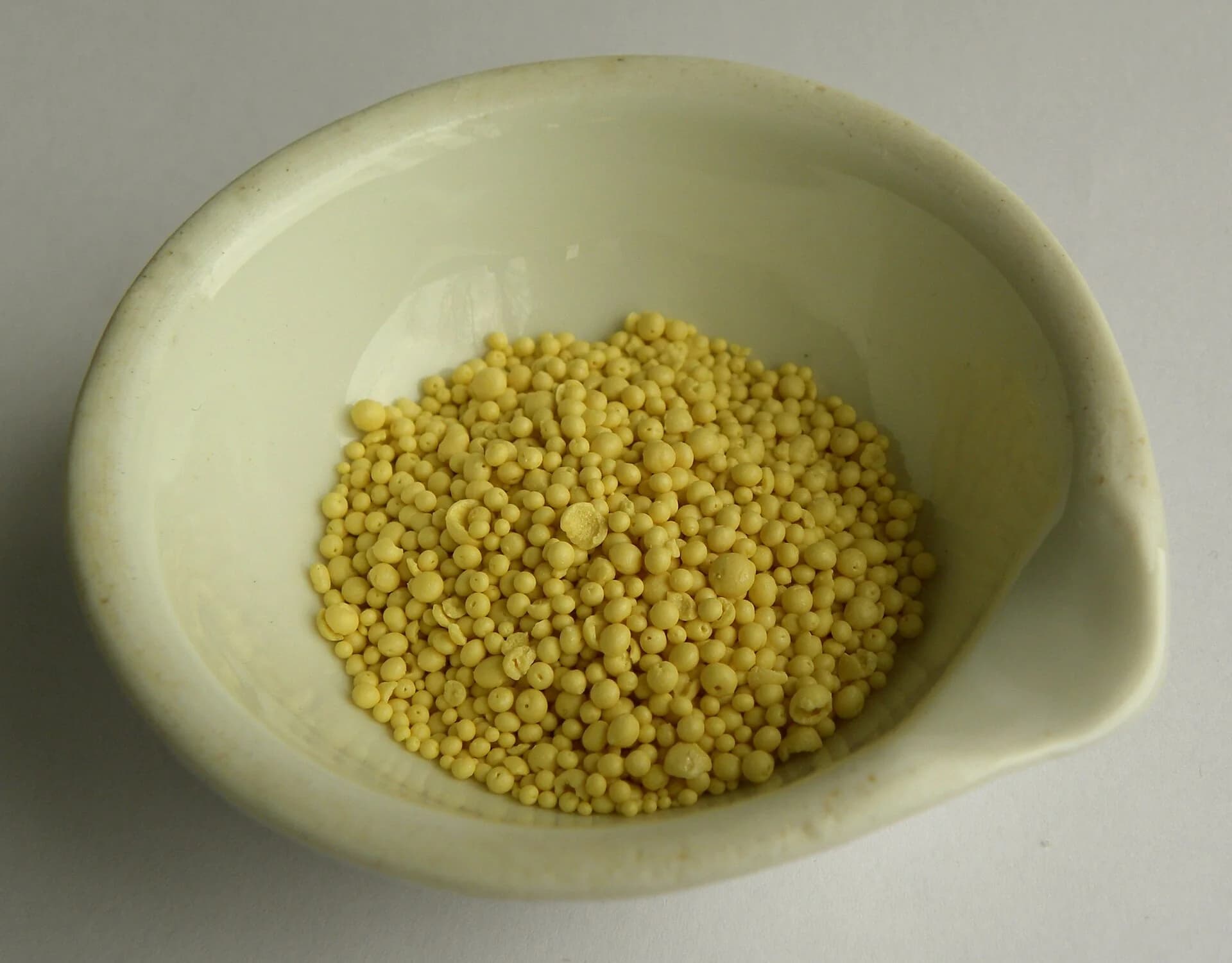 Own work · CC BY-SA 3.003
Sulphur and metallurgical coke evaluated by form, assay, sizing and logistics basis.
 Photo by Sergey Sergeev on Pexels (credit appreciated) · Pexels License04
Flat, long and structural steel products organized around grade, dimensions and inspection documents.
Licensed reference photography supports material navigation. It does not represent current stock, origin, producer authorization or a confirmed supply specification.
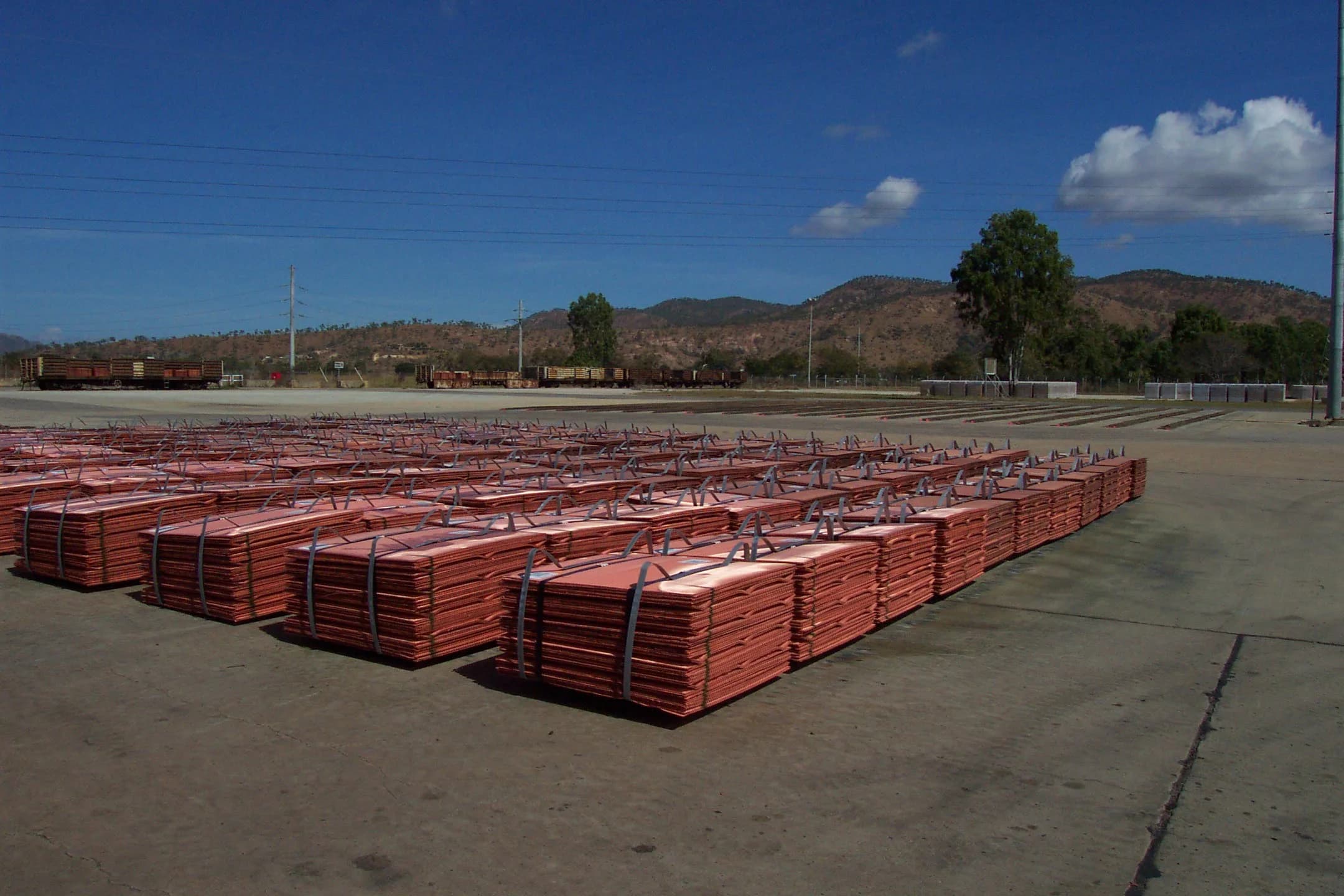 CopperCopper CathodesView product →
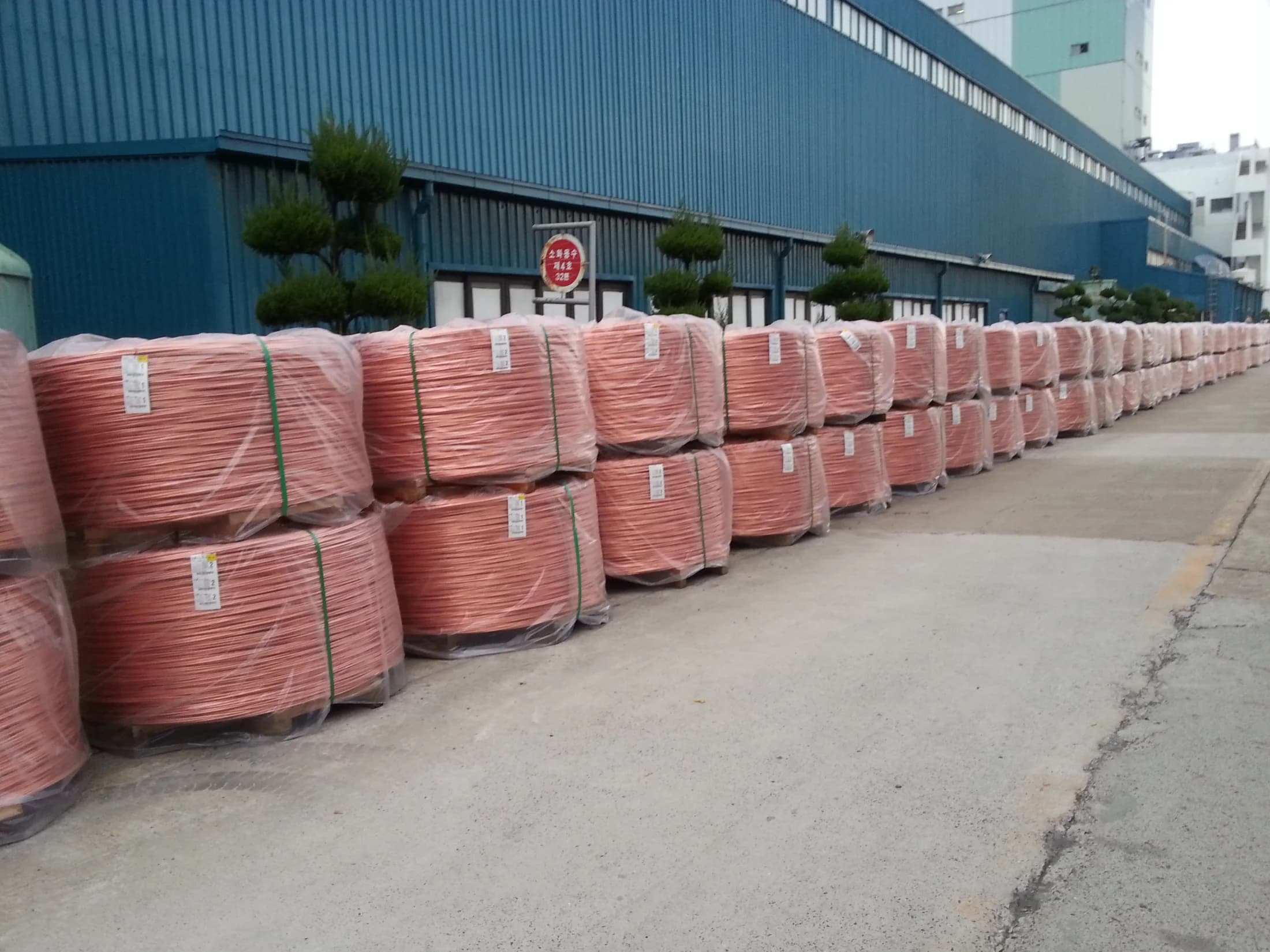 CopperCopper Wire RodView product →
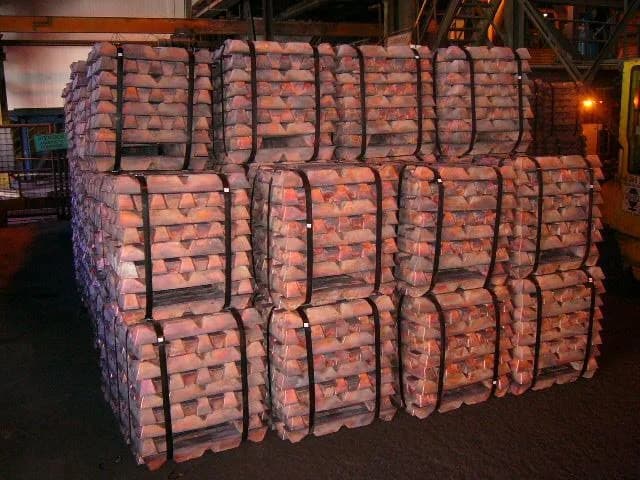 CopperCopper IngotsView product →
 ChromeChrome OreView product →
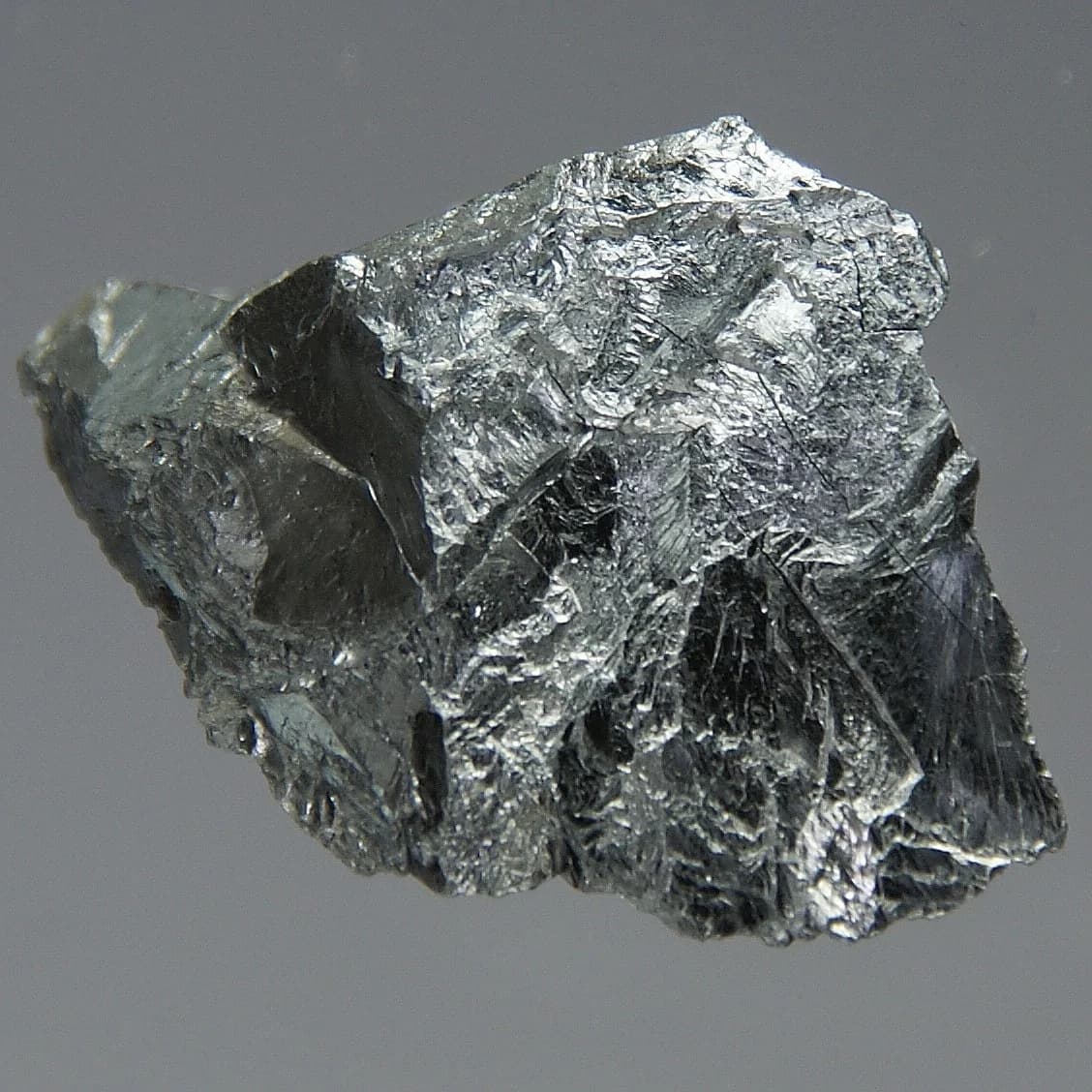 ChromeChromium MetalView product →
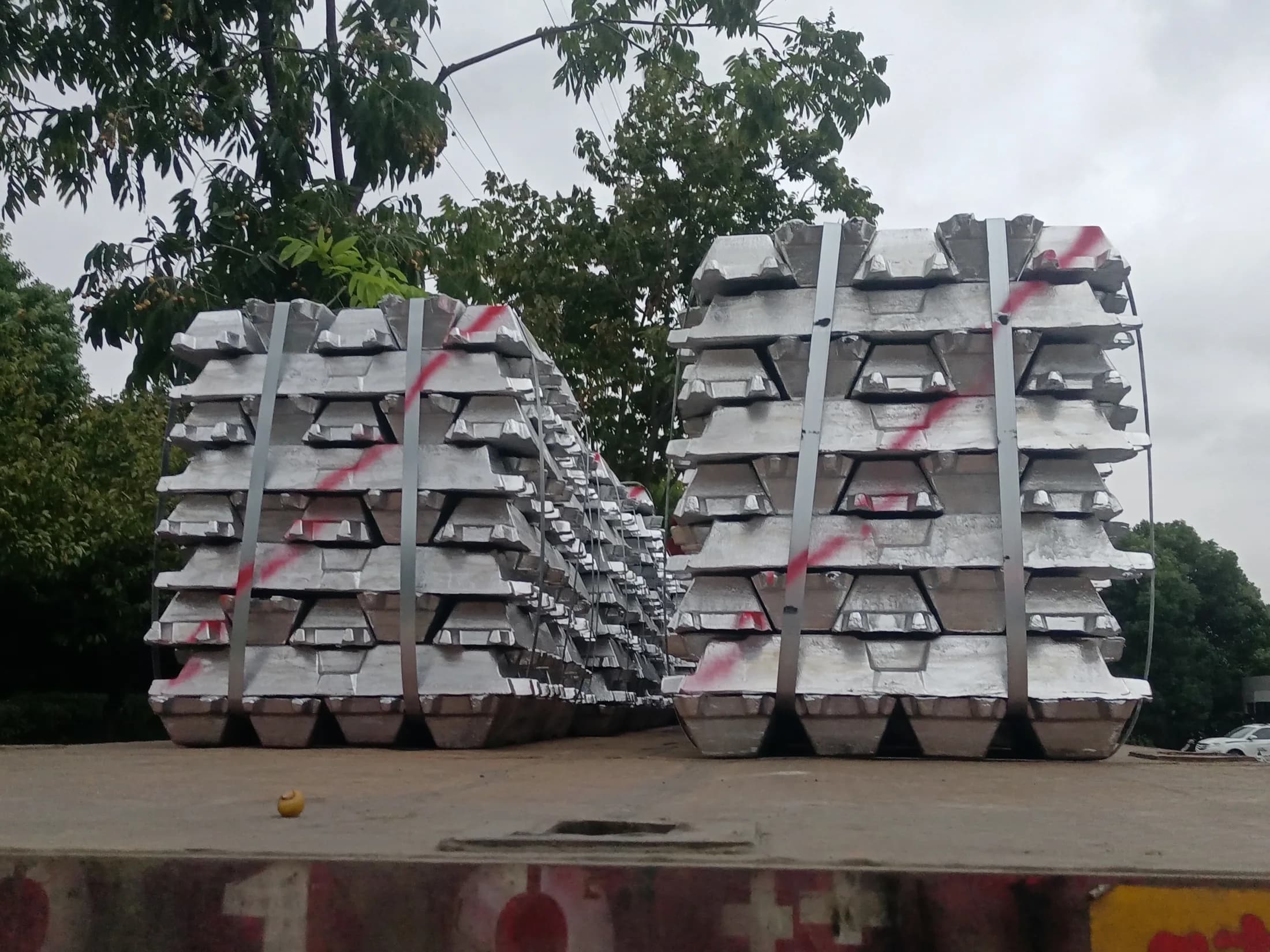 AluminiumPrimary Aluminium IngotsView product →
 AluminiumAluminium BilletsView product →
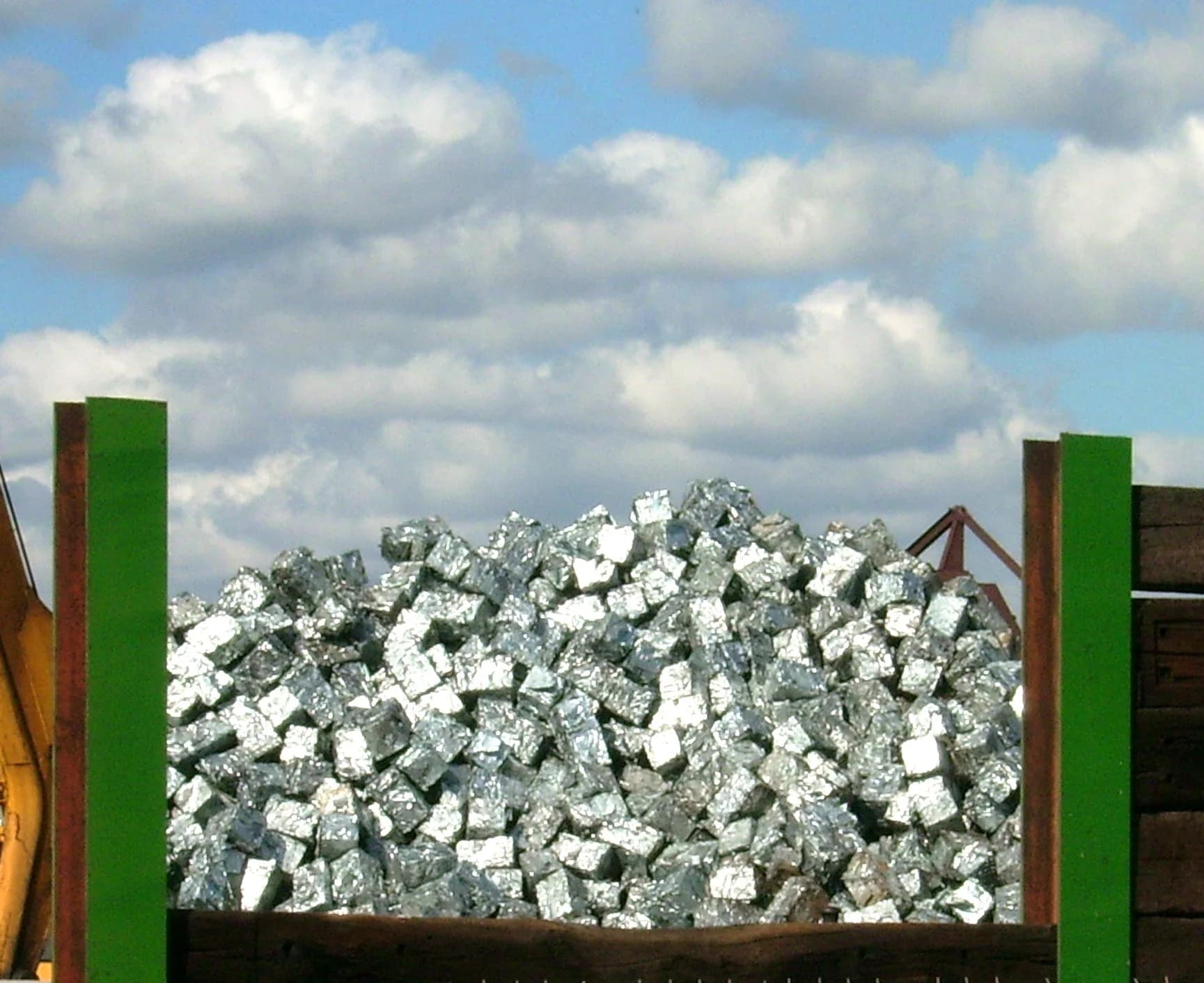 AluminiumAluminium ScrapView product →
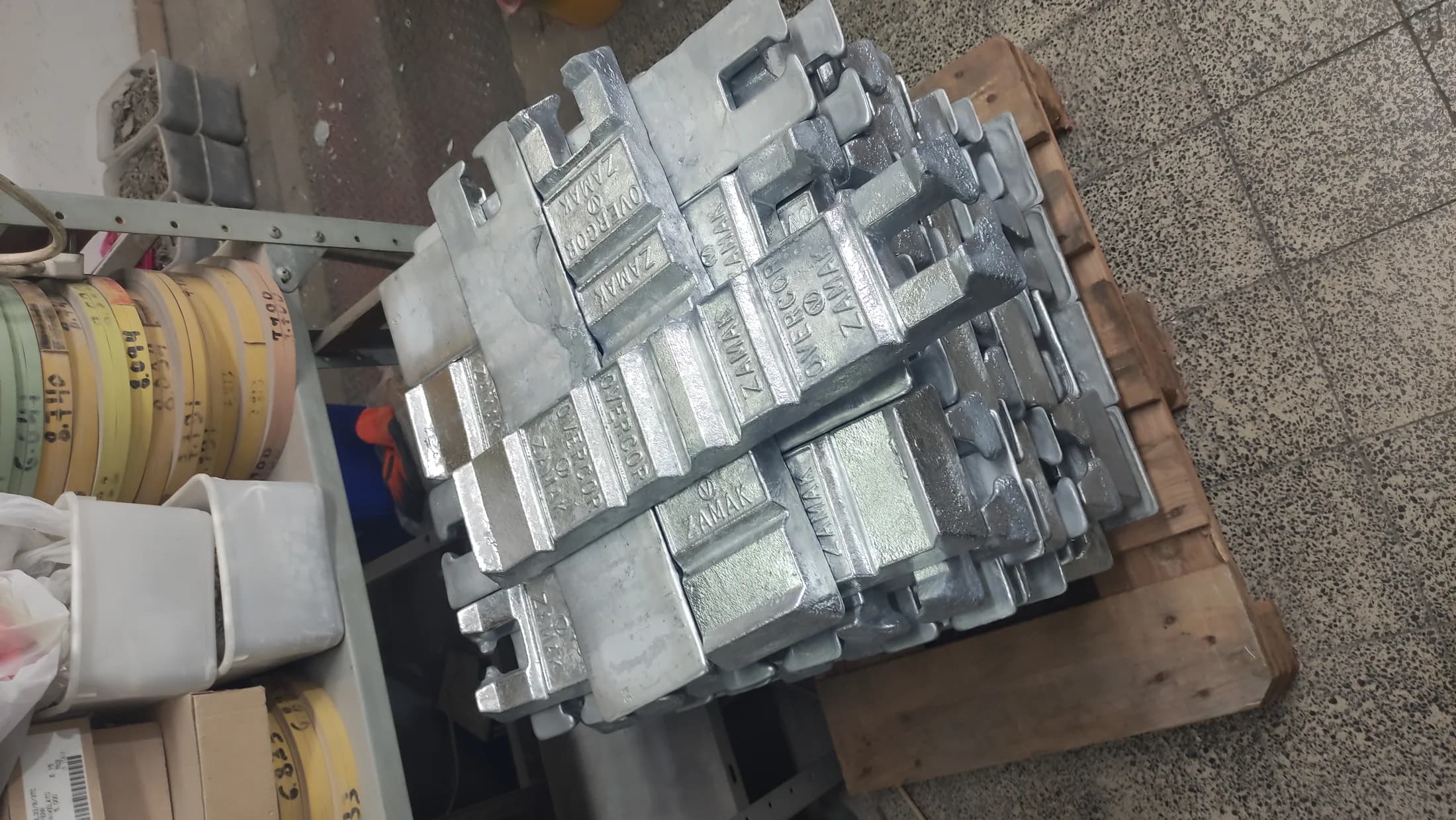 ZincZinc AlloysView product →
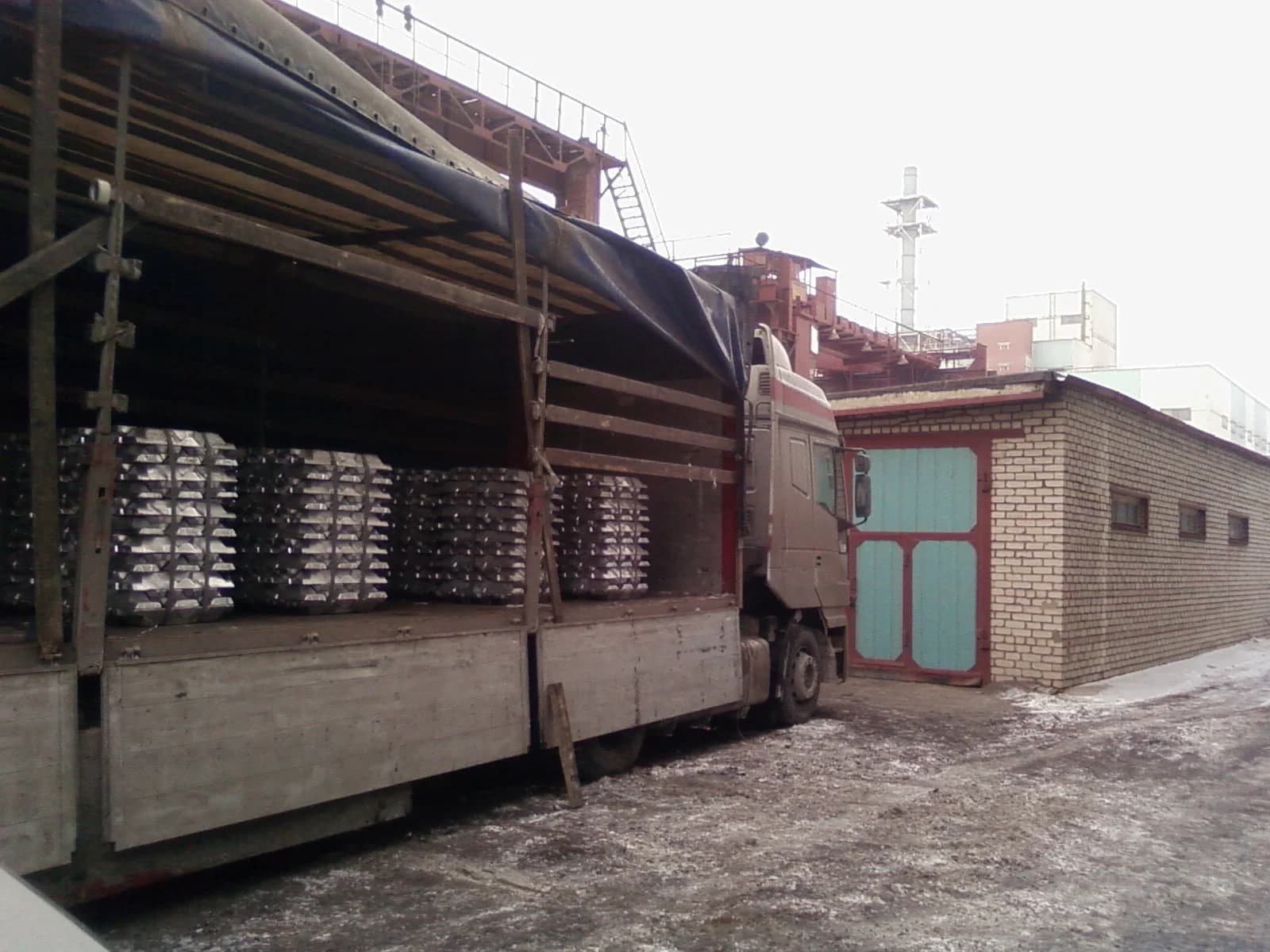 ZincZinc IngotsView product →
 LeadRefined Lead IngotsView product →
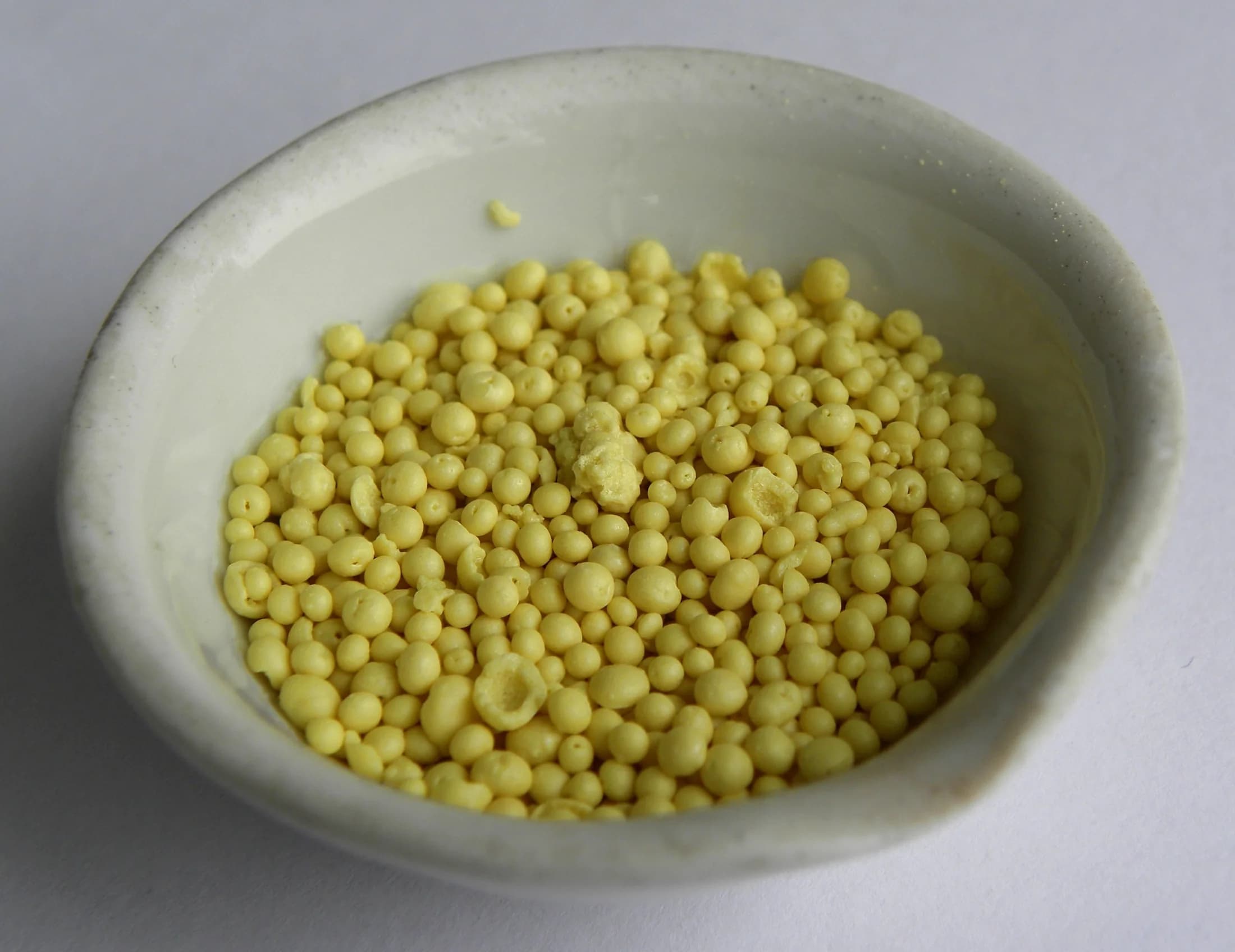 SulphurGranular SulphurView product →
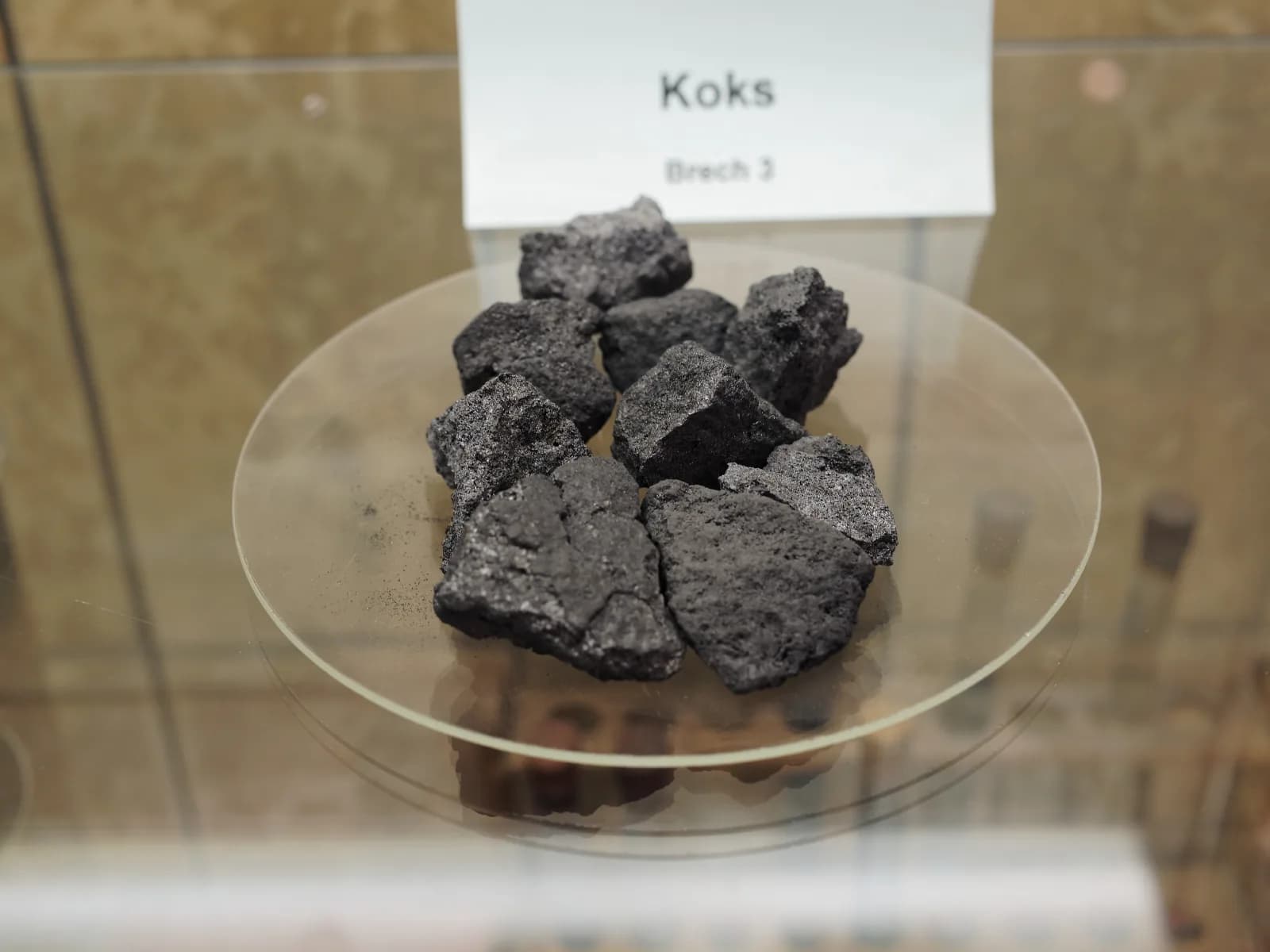 Industrial CommoditiesMetallurgical CokeView product →
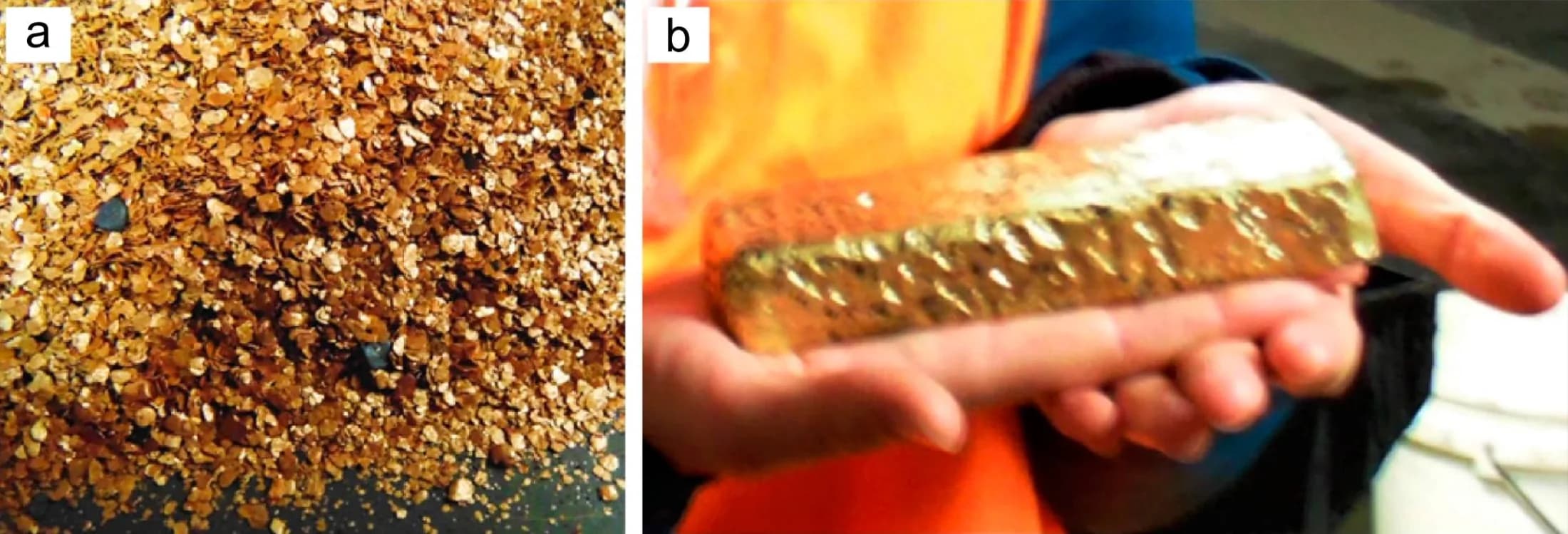 GoldGold DoréView product →
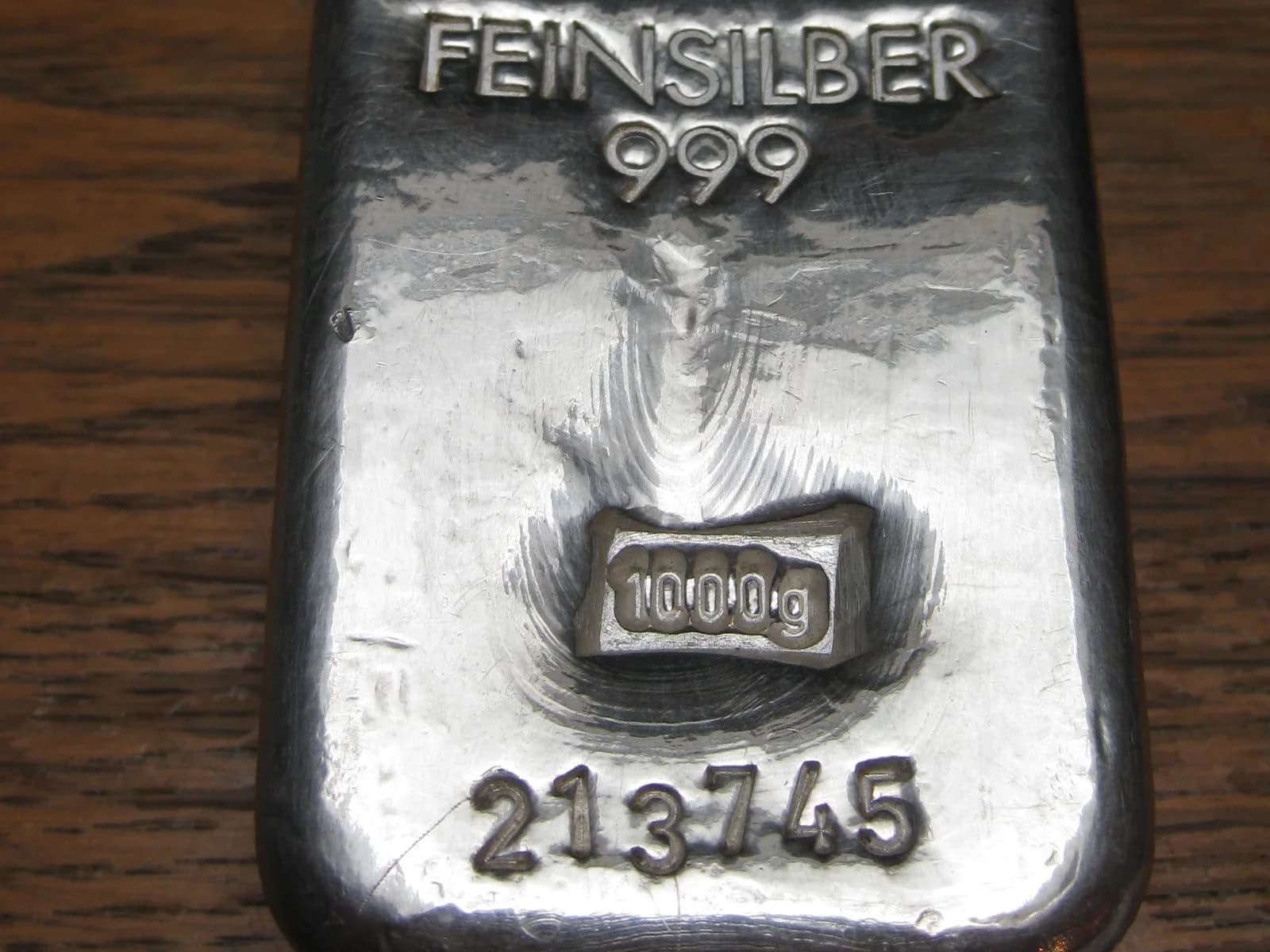 SilverSilver BullionView product →
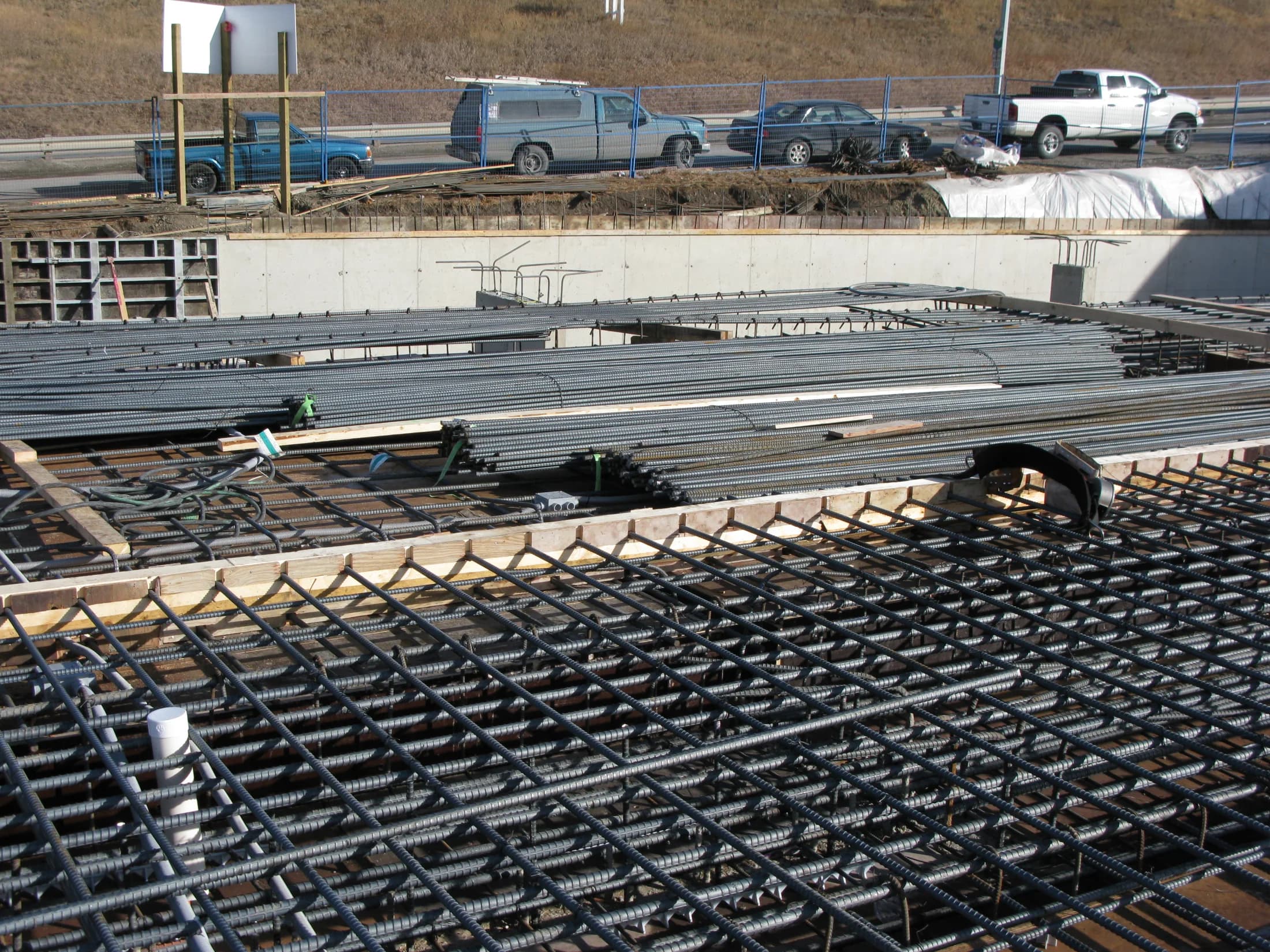 Iron & SteelLong Steel ProductsView product →
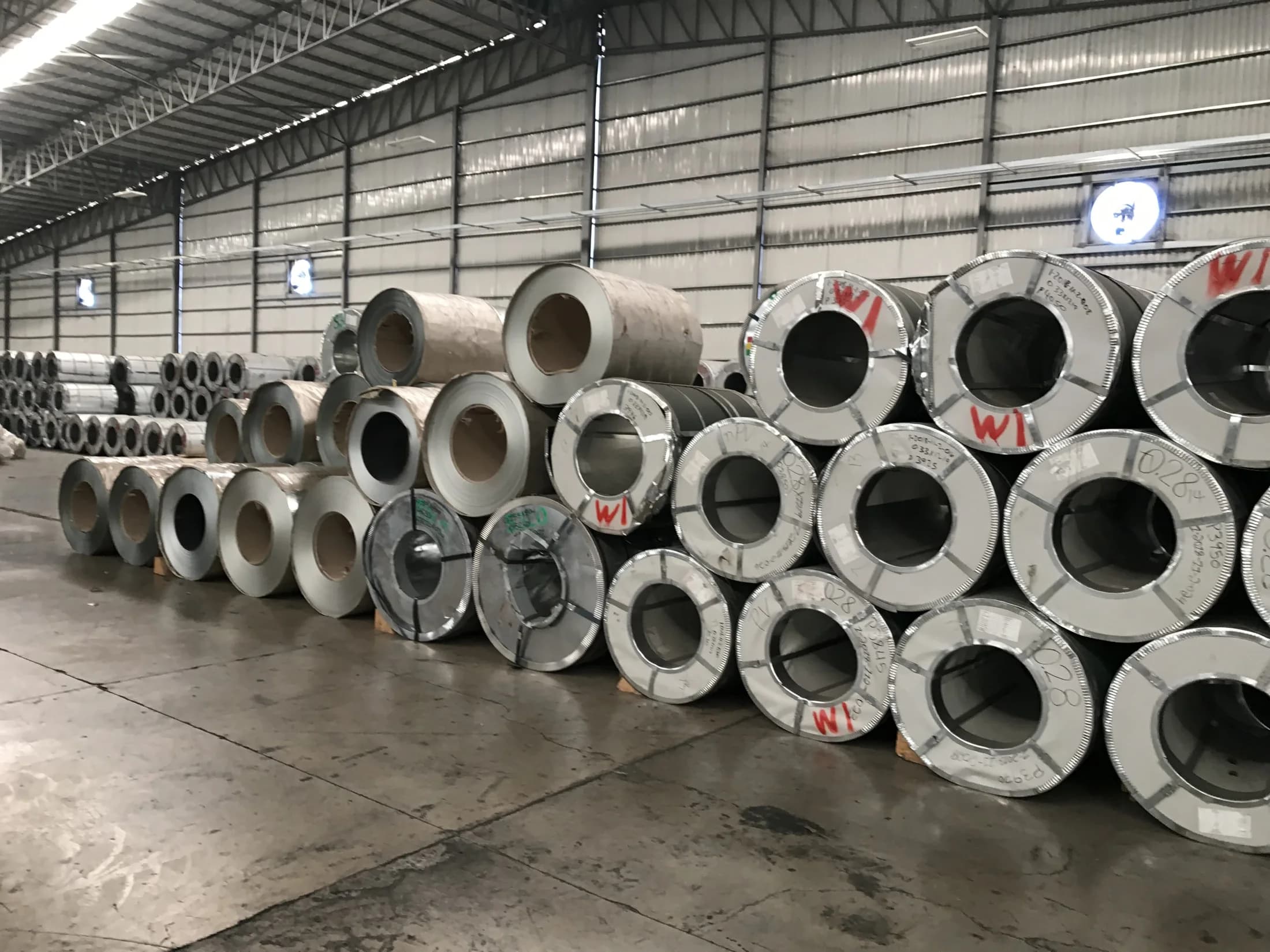 Iron & SteelGalvanized SteelView product →
 Iron & SteelStructural SteelView product →
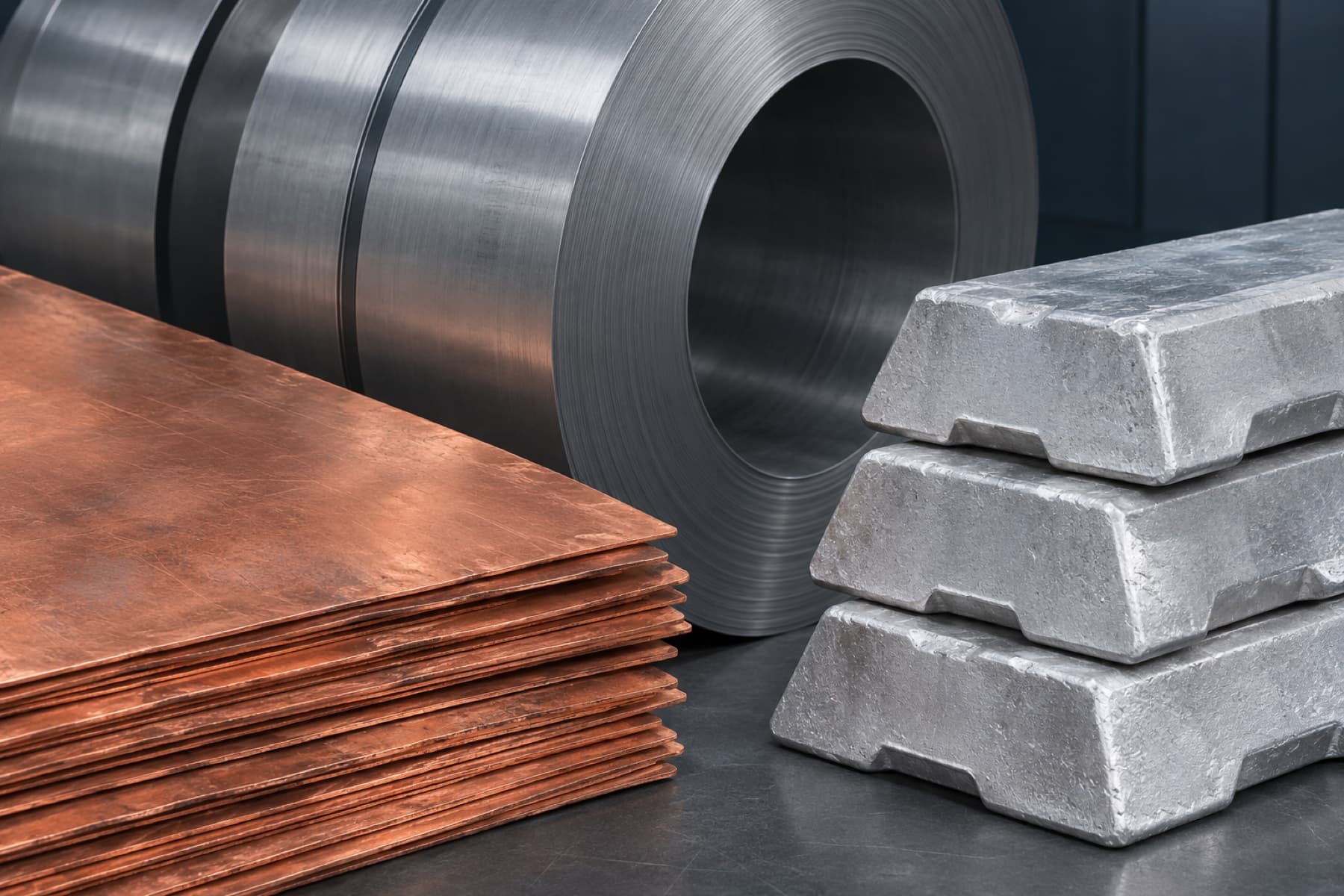 Technical review context — not lot-specific
Product records organize the information industrial buyers need to compare an offer responsibly. Public references remain separate from supplier-confirmed and lot-specific documents.
Product form, grade, quantity, destination and required documents.
Review supplier TDS, COA or MTC, test basis and applicability.
Issue commercial terms only after the requested material is clearly scoped.
Catalogue architecture, language workflows and RFQ fields are designed around buyers in the Netherlands, Germany, Italy and France, while avoiding unsupported tariff or regulatory claims.
No placeholder articles. Topics open as source-reviewed material becomes publishable.
How grade designations, standard editions and supplier evidence work together.
How limits, test methods, units and reporting basis affect technical comparison.
A framework for comparing references without converting them into supply promises.
Research references remain private until commercial status, wording and logo permission are confirmed. Public manufacturer information is not presented as authorization.
Reference publication policy →Submit multiple products, quantities, destination, Incoterm, technical requirements and an optional controlled attachment.